The Real Cost of One Unmanned Zone in a Warehouse
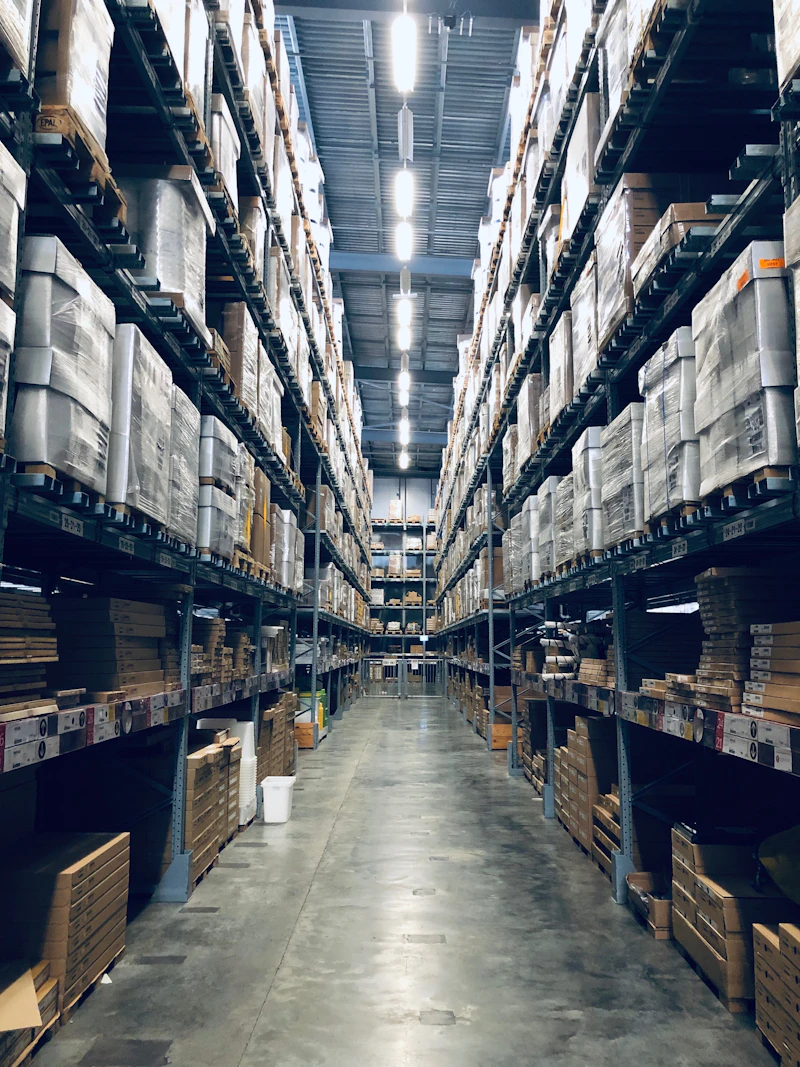
Priya Sharma manages inbound operations at a large third-party logistics facility near Pune. On a Thursday afternoon last year, a forklift operator in Zone C was redirected to cover an urgent dispatch at Bay 11. The zone he vacated was not handed over to anyone — the shift was busy, communication was verbal and fast, and the assumption was that someone nearby would keep an eye on it. For the next 23 minutes, Zone C had no designated staff presence. In those 23 minutes, a pallet of high-value electronics was partially picked through, a new hire operated a pallet jack without the required spotter, and a vendor representative wandered unsupervised through the inbound staging area. None of these events became formal incidents. All three of them could have.
Warehouse zones are not interchangeable spaces. Each zone has a designated function, a defined risk profile, and a staff coverage requirement tied to that risk. Inbound staging areas require verification of goods against purchase orders — without a staff member present, discrepancies between what arrives and what is recorded go undetected, creating inventory variance that surfaces only at the next stock count. Dispatch lanes require physical confirmation of loaded quantities before trucks are released — a gap in coverage here means trucks can depart with incorrect manifests. High-value goods areas require constant presence as a theft deterrent. Each zone has a specific reason for its coverage requirement, and each unmanned period carries a corresponding specific cost.
The safety arithmetic of an unmanned zone is stark. Indian warehousing operates under the Factories Act and, for larger operations, under the OSHA-equivalent provisions of state-level safety regulations. These frameworks require that forklift operation zones, elevated racking areas, and goods-in-transit paths have designated safety supervision. An unmanned zone where a forklift is operating is not just a procedural violation — it is an environment where a collision, a tip-over, or a crush injury can occur without any qualified person in a position to respond, stop operations, or summon emergency services. The average cost of a serious warehouse injury in India, including medical treatment, lost production, regulatory penalty, and legal liability, routinely exceeds ₹10 lakh. A single incident can match the annual operating budget of an entire safety monitoring system.
Inventory shrinkage in unmanned zones follows a predictable pattern. Retail loss prevention research and warehouse audit data both confirm that shrinkage events are concentrated in periods and locations of reduced staff presence. In a warehouse context, this includes vendor staff with access to inbound areas, contract workers with knowledge of high-value inventory locations, and the general increase in opportunistic behavior when the social accountability created by staff presence is removed. A zone that is unmanned for thirty minutes during a busy shift provides precisely the window that shrinkage events require. The inventory variance this creates is visible in the next cycle count — the connection to the staffing gap is rarely made.
Productivity loss from unmanned zones is the least visible but most consistent cost. When a zone has no designated operator, tasks queue. Inbound goods sit unverified. Putaway runs wait for a free operator. The downstream effect on pick rates, dispatch schedules, and loading bay throughput accumulates over the course of a shift in ways that are difficult to attribute to any single cause. Operations managers reviewing end-of-shift productivity data rarely identify a 23-minute coverage gap in Zone C as the root cause of a 4% shortfall in outbound volume. The connection exists, but the data to make it visible does not.
Liability exposure from an unmanned zone is the risk that keeps logistics directors awake. When a client conducts a compliance audit and asks for staff coverage records for each zone during the period when their goods were in the facility, the answer that most warehouses must give is honest but inadequate: we have badge records showing who was on shift, but we cannot verify zone-level coverage at any specific time. That answer is increasingly unacceptable. Major FMCG companies, pharmaceutical distributors, and e-commerce fulfillment clients operating in India are beginning to require documented zone coverage records as a condition of warehousing contracts. The ability to produce that documentation is a competitive differentiator.
Camera-based zone monitoring addresses all five cost vectors simultaneously. When an AI system detects that a designated zone has been without staff presence for more than the configured threshold — typically 90 seconds to three minutes depending on zone risk classification — an alert fires to the warehouse supervisor's phone. The supervisor redirects the nearest available operator. The gap is closed before it becomes a safety event, a shrinkage opportunity, or a productivity drain. The time-stamped zone coverage log that the system generates is simultaneously a compliance record, an audit trail, and an operational improvement dataset.
The real cost of one unmanned zone is not the cost of what happened during those twenty minutes. Most unmanned periods pass without a visible incident. The real cost is the probability distribution of what could happen, multiplied by how often unmanned periods occur, across how many zones, across how many shifts. That calculation, done honestly for any warehouse operating at scale, produces a number that makes the investment in real-time zone monitoring look not just sensible but urgent.
See LenzAI in Action
Connect your existing CCTV cameras and get real-time AI alerts for attendance issues, PPE violations, and coverage gaps — within 48 hours of setup. No new hardware required.